
Land & Conservation
2,500 acres kept working and wild — and an honest look at what that takes.
Healthy land doesn't happen by leaving it alone.
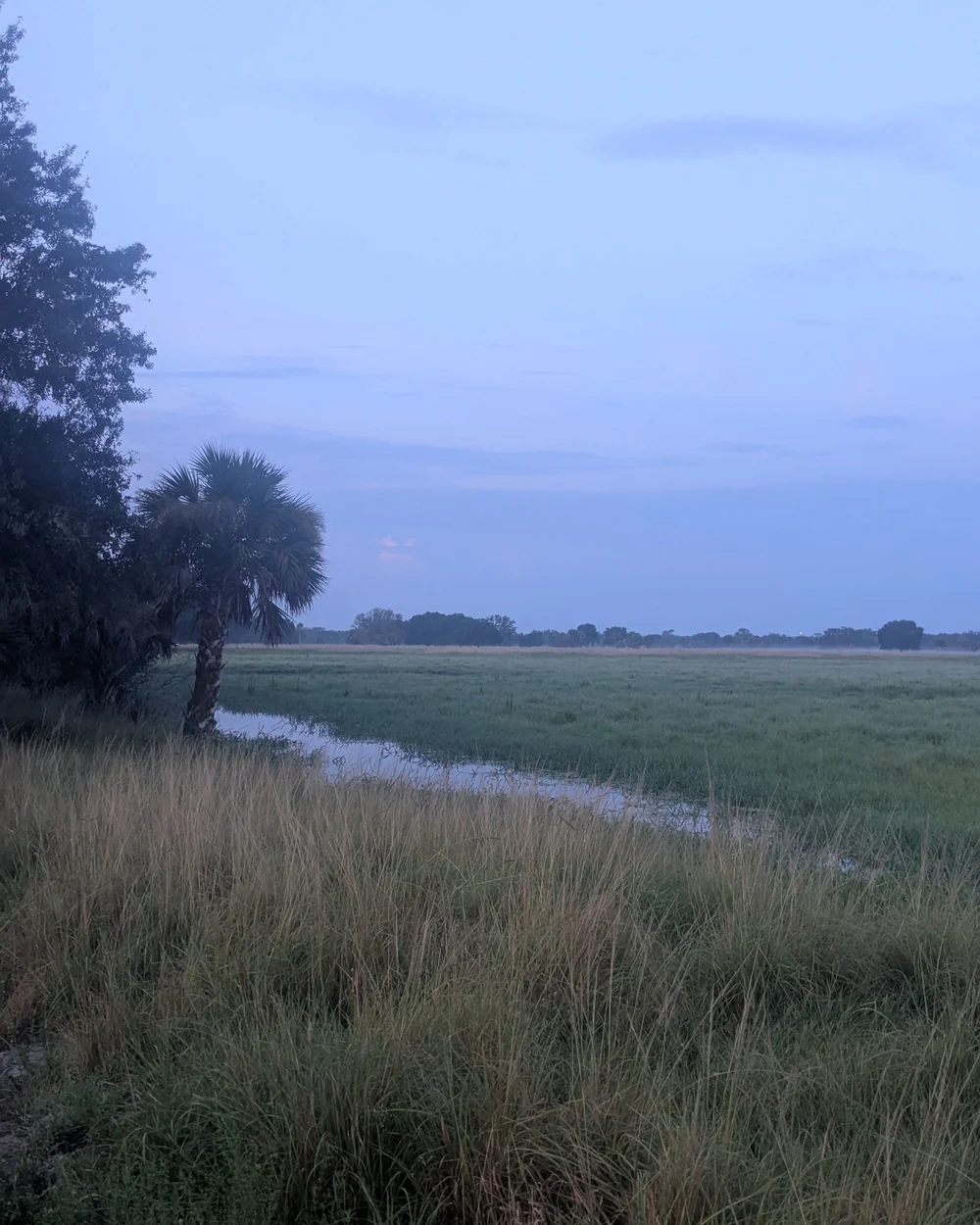
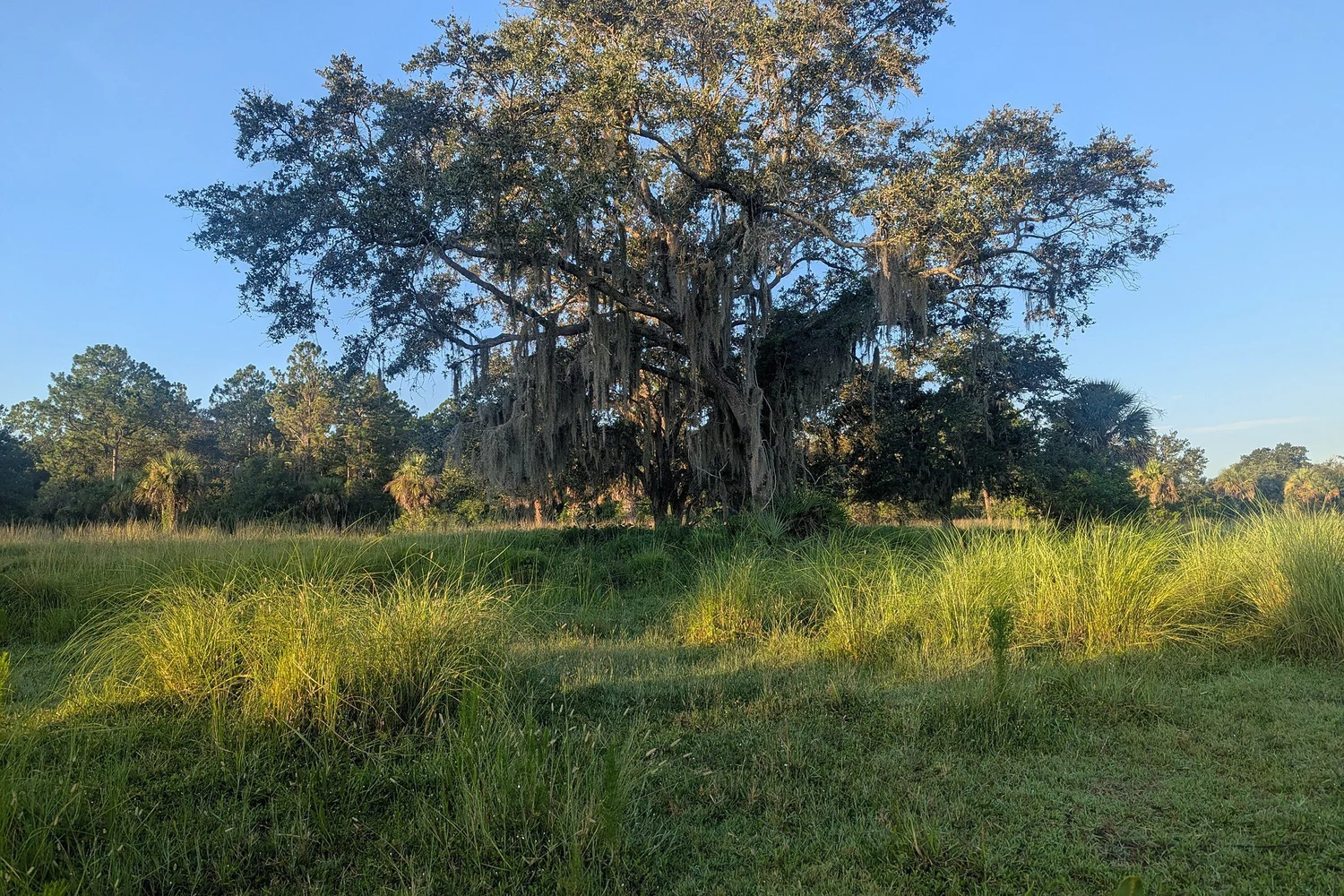
There's a common idea that conservation means putting a fence around something and walking away. Working land doesn't behave that way. Pasture needs grazing pressure to stay pasture. Flatwoods need fire. Water needs somewhere to go. Left untended, this ground would thicken up, lose its habitat value, and burn badly the first time lightning found it.
On this experience you'll explore the property alongside the people who manage it, and see the decisions up close — where cattle are moved and why, where fire is used, how water moves across the land in wet season and dry, and what the conservation easement does and does not allow.
It's the least flashy thing we offer and the one guests tend to talk about longest.
What you'll see
- Rotational grazing — how cattle are used as a land-management tool
- Prescribed fire and why Florida flatwoods depend on it
- Water: sloughs, ditches, wet season and dry season
- Native habitat and the wildlife it supports
- What a conservation easement actually is, in plain terms
- What keeping it this way actually demands, season after season
The Details
- Duration
- Half day (approx. 3–4 hours) — overnight available on request
- Group size
- 2–8 guests
- Season
- Year-round; the land looks very different wet season vs. dry
- Pace
- Unhurried, and set to the group
- Includes
- Guide, transport on property, water and snacks
- Rate
- Rates announced soon
What the cameras saw in nine days.
Monitoring cameras run on this property year-round. They are how we track herd composition, recruitment, and whether the habitat work is doing what we think it is doing. They are also the honest answer to the first question every visitor asks: what is actually out there?
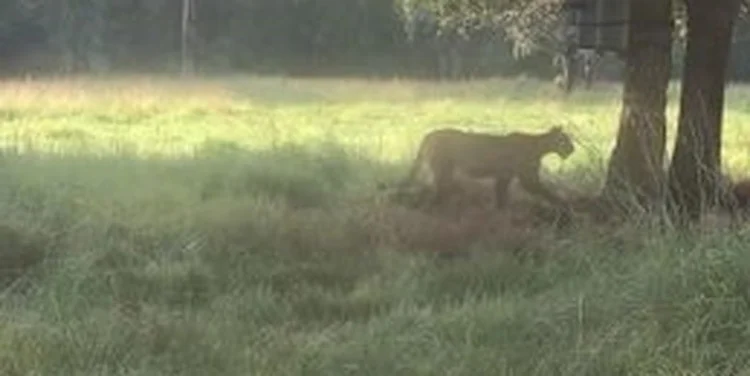
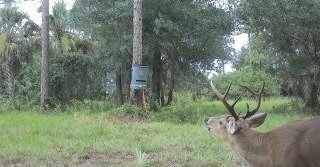
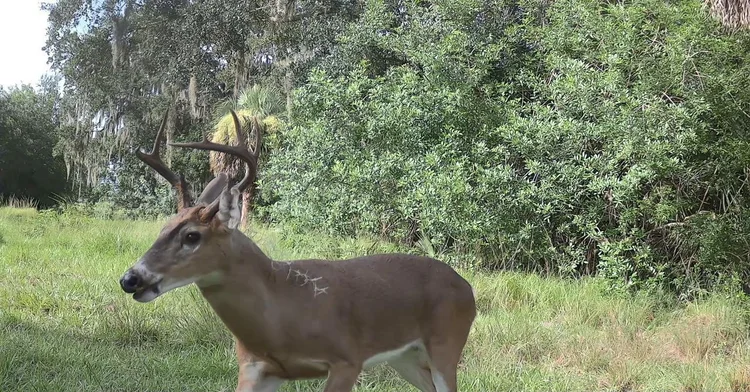
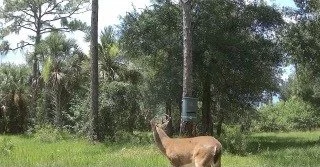
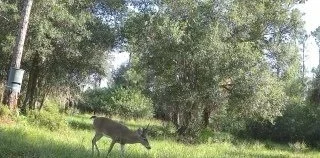
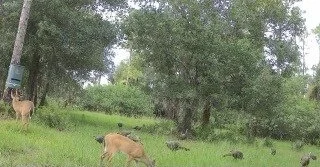
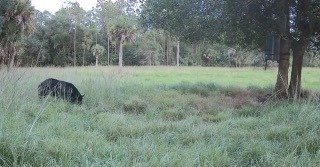
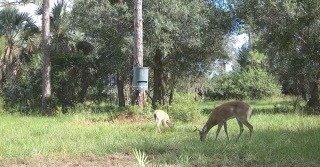
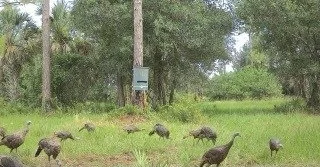
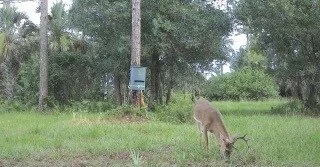
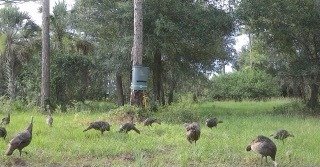
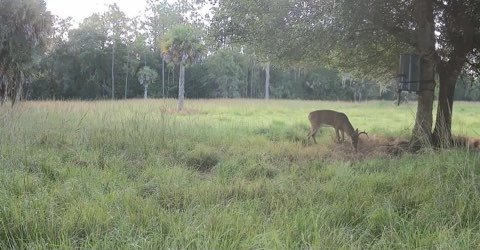
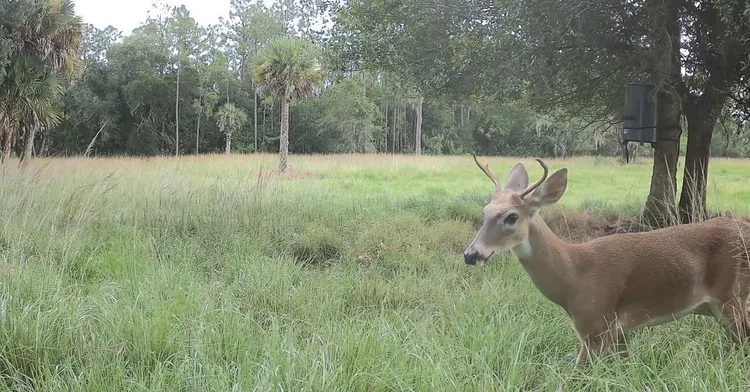
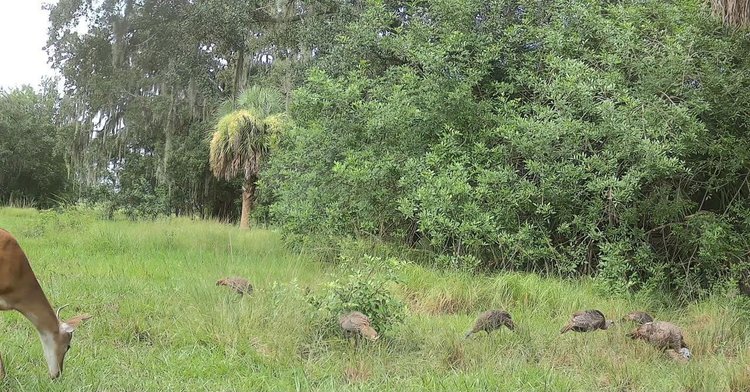
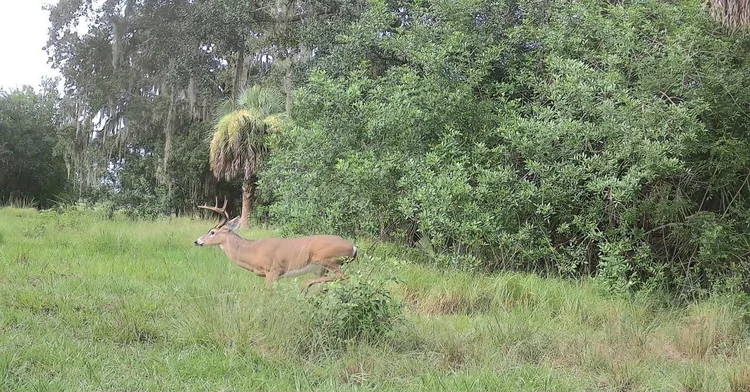
Unedited frames from fixed monitoring cameras; dates and temperatures as the camera recorded them. The Osceola wild turkey exists nowhere on earth outside peninsular Florida. The Florida panther is federally endangered — we log every sighting and publish no location detail.
Permanent, recorded, and already done.
A conservation easement is a legal agreement, recorded against the property title, that permanently limits how the land can be developed. It runs with the land — it binds not just us but everyone who ever owns it after us.
Ours is recorded. In November 2024, land on this ranch was placed under a permanent easement through Florida's Rural and Family Lands Protection Program, administered by the Florida Department of Agriculture and Consumer Services and approved by the Governor and Cabinet.
This ground sits inside the Florida Wildlife Corridor and shares a boundary with the Spirit of the Wild Wildlife Management Area and the Okaloacoochee Slough State Forest. That adjacency is the point. A panther or a bear moving through here isn't crossing an island — it's crossing one link in a chain that runs the length of the state.
This ground stays ranch land and habitat, and that takes steady work. The agritourism you're supporting is part of how a working family keeps up with it.
“By permanently preserving Howard Cattle Corporation’s land from future development, we’re not only supporting Florida agriculture but also protecting natural landscapes that sustain our wildlife and water resources.”